Draft Measurement Algorithm Core
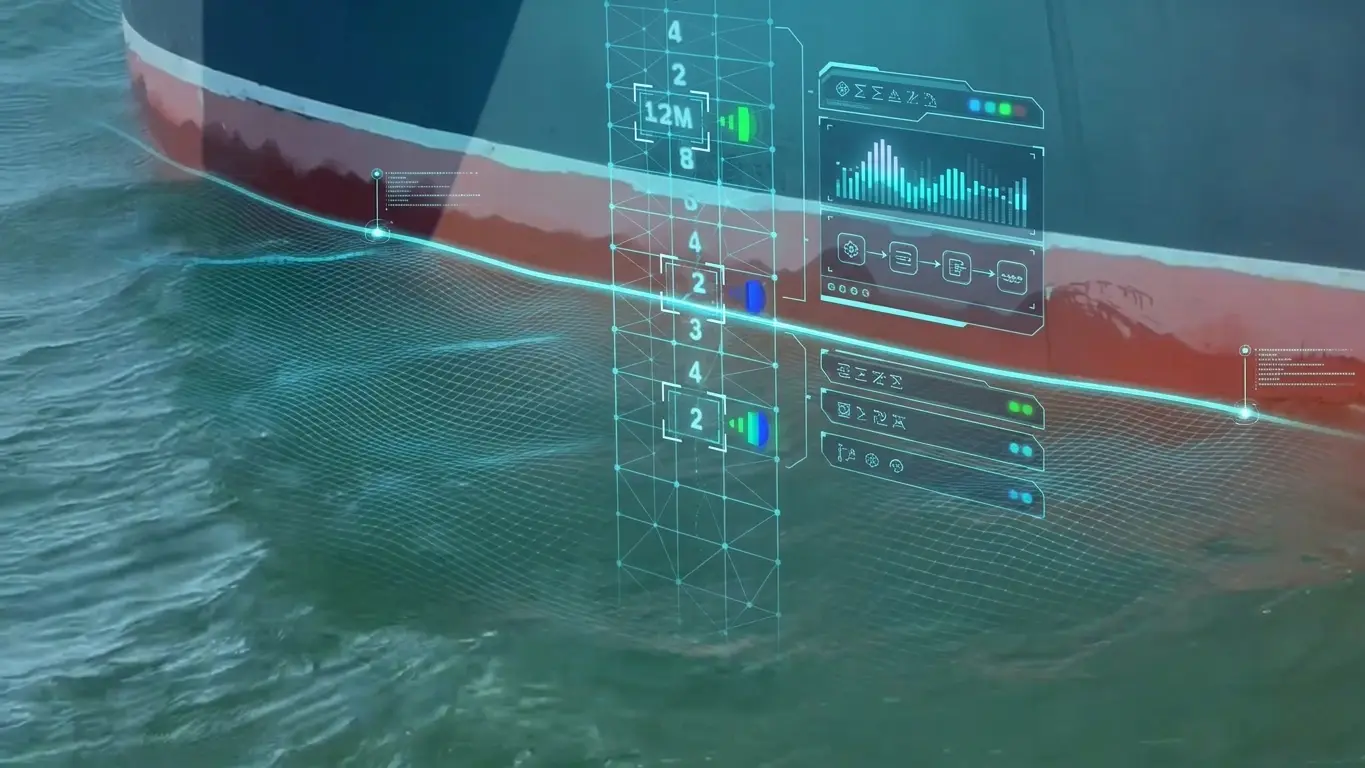
Draft Scale Recognition Algorithm
Based on semantic segmentation neural networks to separate waterline and scale digits, then compute accurate draft values under complex sea states. At the Port of Santos, Brazil, YOLOv8-based computer vision achieved mAP50-95 accuracy scores of 0.980 for bow and 0.965 for stern hull segmentation across 34,000+ images, demonstrating the real-world viability of deep-learning draft measurement.
- Wave-resistant curve fitting
- Perspective tilt correction
- Automatic scale output for settlement
Ballast Level Estimation Logic
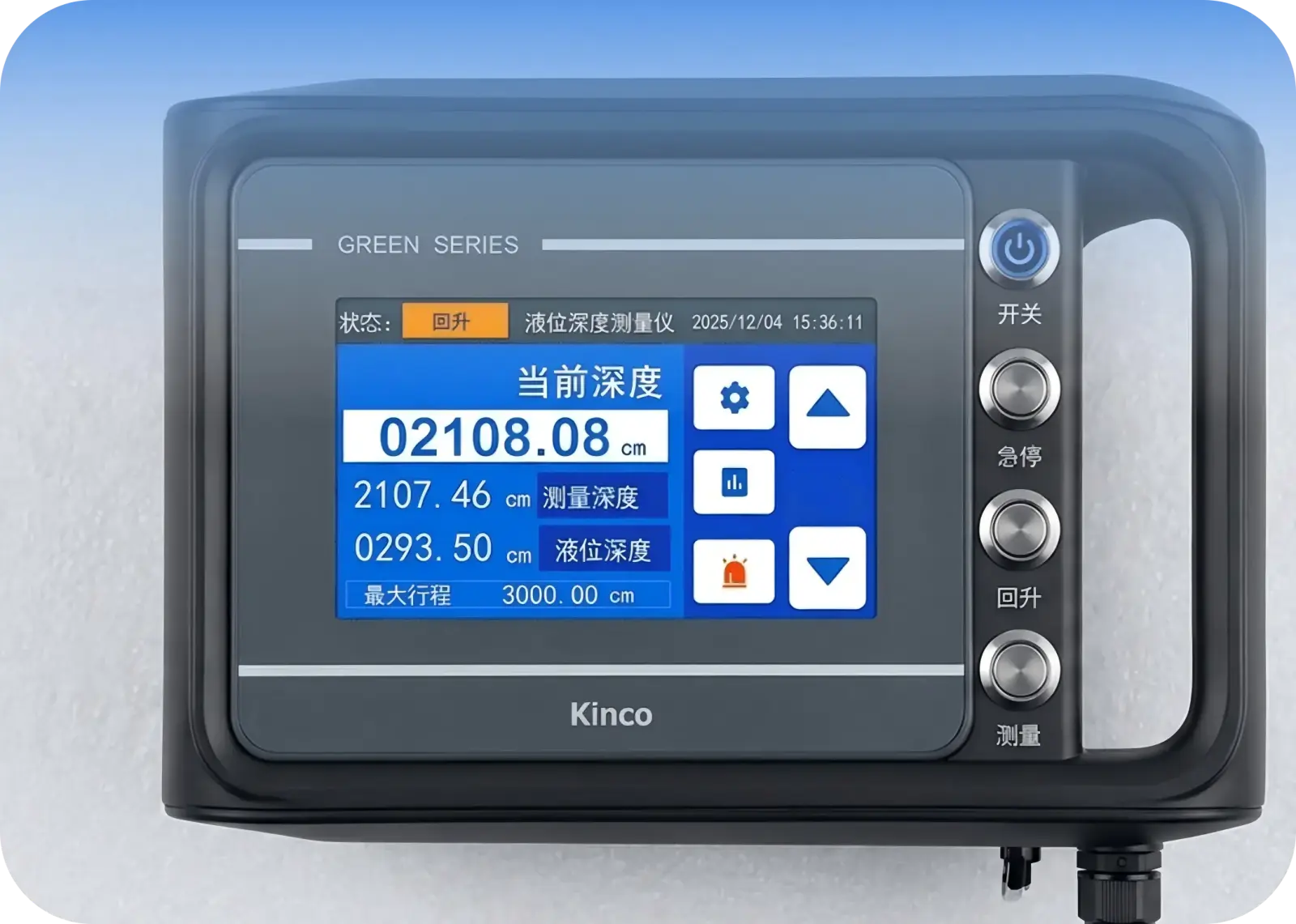
Combines high-sensitivity sensor streams with rule models to validate touch-water/touch-bottom states and produce reliable tank-level results.
- Millimeter-level processing chain
- Real-time visualization and records
- Supports traceable quality checks